Terpenes for Focus and Mental Clarity: A Guide to Cannabis Compounds
If you are reading this, you have probably outgrown the idea that THC percentage is the only thing that matters. That line is getting challenged everywhere now, online and across the counter, and more people are clueing in that the biggest number on the jar does not decide how the weed actually feels.
You might also have started to notice the cracks in the old indica-and-sativa story. Those categories are softer than anyone let on, most of what is on the shelf today is hybrid, and a "pure" anything is rare. So you know the simple version is incomplete. What you might not have yet is the thing that fills the gap.
Pssst, not to brag but we’ve been calling the indica v sativa “battle” more of a spectrum from
Chill to Thrill since Gen Zs were in short pants.
That thing is terpenes, and specifically how they are expressed.
Terpenes are the aromatic compounds behind cannabis aroma and flavour, the same ones you know from pine, lavender, coffee, chocolate, citrus and fresh herbs.
Beyond smell, terpenes help shape how a strain feels, which is the part the THC number cannot tell you. Here is the piece most people miss: terpene expression is not locked to the strain, it even varies between harvests from the same grower!
The genetics planted by two different producers can land in two different places, because how a plant is cured and dried decides how much of that aroma actually survives.
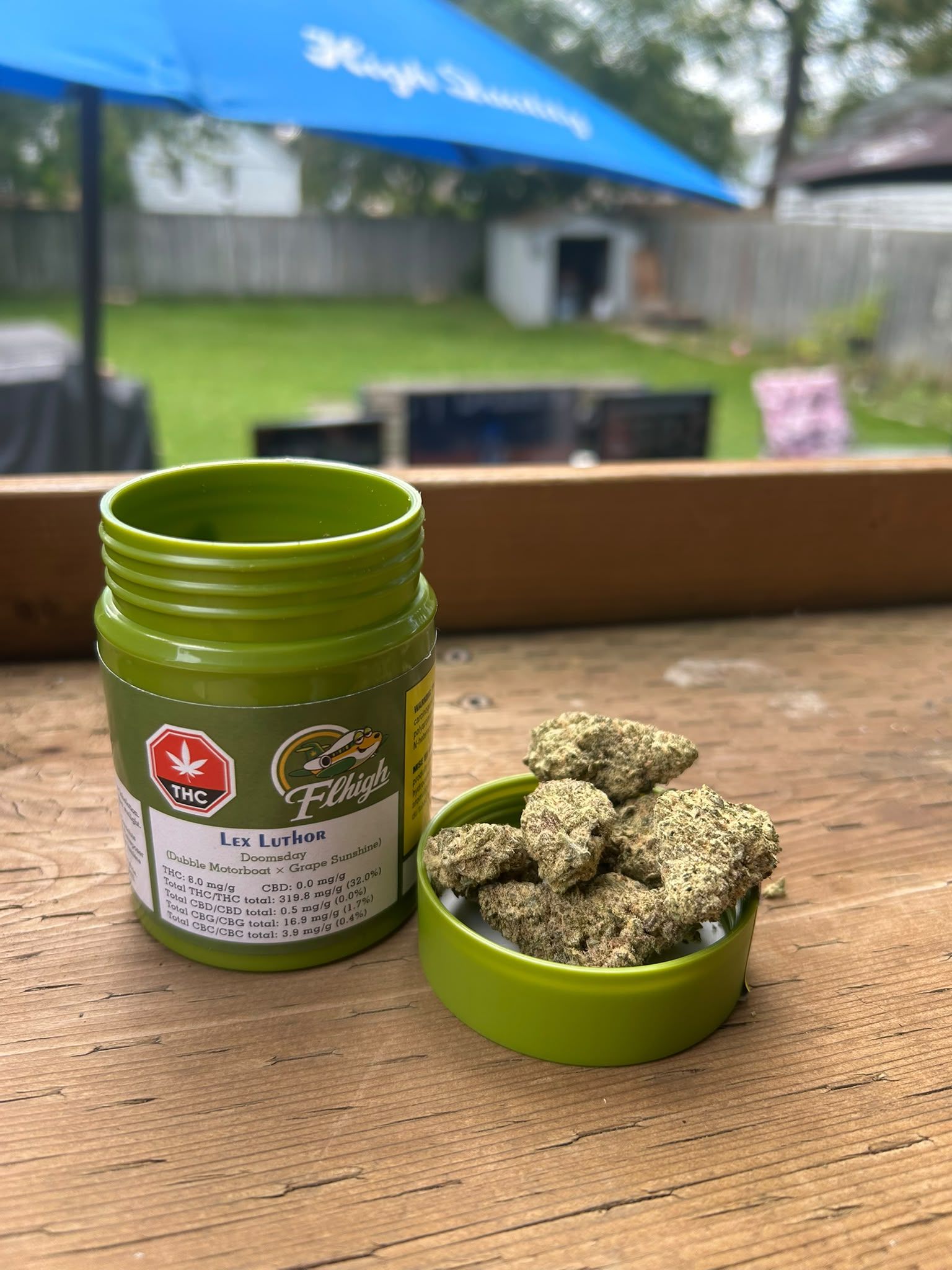
A lot of product that is not finished in the craft style shows up with terpenes barely present, which is exactly why two jars with the same name and the same THC can feel like different plants.
The good news is you do not have to guess in the dark.
These days more packaging lists terpene percentages alongside THC and CBD, not everywhere yet, but increasingly on flower, pre-rolls and vapes. Your nose fills in the rest. This guide breaks down the terpenes most associated with focus and mental clarity, pinene, limonene and terpinolene chief among them, how to spot them, and why they matter when you are reaching for cannabis to do real work.
New to all this and want the ground floor first? Start with our guide to
what terpenes are and why they matter. Want to go deeper into the chemistry?
The science behind THC, CBD and terpenes takes it further.
Everyone else, let's get into it.
What Are Terpenes and Why Do They Matter?
Terpenes are aromatic compounds found right across the plant world. Pine trees, coffee, cacao/chocolate, citrus, lavender, hops and black pepper all owe their signature smell to terpenes. Cannabis just happens to be unusually rich in them.
In cannabis, terpenes do more than carry aroma. They appear to work alongside THC, CBD and the other cannabinoids, nudging the overall effect in one direction or another. This teamwork has a name:
the entourage effect. The idea is that the whole plant, terpenes included, shapes the feeling more than any single compound on its own.
It is also the reason, as we touched on up top, that the same genetics from two producers can feel like two different plants. The cannabinoids might match. The terpene profile, and how much of it survived curing and drying, often does not. Craft producers tend to protect that aroma. Rushed or high-volume product tends to lose it.
So how do you actually find the good stuff? Two tools. The label is the first. Terpene data is not on every package, but it is appearing more often, and when a percentage or a dominant terpene is listed, it is the fastest signal you have. The second tool is the one you were born with, and we will get to your nose shortly.
Pinene: Alertness and Memory Retention
Pinene is the most common terpene in nature, and you have smelled it your whole life. It is the sharp, fresh scent of a pine forest, and it also lives in rosemary, basil and dill. It comes in two forms, alpha-pinene and beta-pinene, though the takeaway is the same for both.
Pinene is commonly associated with a clear, awake feeling. Many people find it brings alertness without the wired, jittery edge that can come from other stimulants. It smells like spring cleaning and can give you the encouragement to tackle tasks and get focused.
There is also long-standing interest in pinene and memory. Research suggests it may support recall and help counter some of the short-term mental fog that higher-THC cannabis can bring on. That is part of why a piney sativa can feel functional in a way a heavy, sleepy strain does not. Nobody is treating anything here, this is just a difference in feel that a lot of consumers notice.
Where to find it: pinene tends to show up in sativa-leaning strains with a sharp, forest-like aroma. Jack Herer, Blue Dream and Dutch Treat are classic names known for it.
How to spot it: look for words like pine, forest or herbal in a strain description. When you open the container, a high-pinene strain hits you with that crisp, fresh-cut-evergreen snap right away.
Limonene: Mood Elevation and Stress Reduction
If pinene is a walk in the woods, limonene is a glass of fresh lemonade. It is the second most common terpene in cannabis, and it carries that bright, citrusy punch you get from lemon and orange peels, juniper and peppermint.
Limonene is commonly associated with a lift in mood. Some people find it brightens the headspace without tipping into sedation, which is handy when you are trying to stay productive rather than melt into the couch.
There is a focus angle here that is easy to miss. Stress and mental clutter are two of the biggest enemies of concentration. By taking the edge off tension, limonene can clear some of the noise that gets between you and the work. Less spinning, more doing. Effects vary from person to person, so treat that as a starting point rather than a promise.
Where to find it: limonene shows up across both sativa and hybrid strains. Wedding Cake, Super Lemon Haze and Durban Poison are well known for it.
How to spot it: scan descriptions for citrus, lemon or orange. The aroma is sweet and tangy, the kind that makes you take a second sniff before you grind anything.
Terpinolene: Uplifting Energy and Creative Flow
Terpinolene is the wildcard of the bunch. It is less common than pinene or limonene, and its aroma is harder to pin down: floral and herbal with a faint piney edge, a little like fresh nutmeg or tea tree.
It is commonly associated with an uplifting, gently energetic feel. Not a jolt, more of a lift. Many creators reach for terpinolene-forward strains when they are chasing flow, that state where ideas come loose and the work starts to move on its own.
The honest caveat: terpinolene is rarer, so it can take some hunting to find a strain where it leads. It often rides alongside pinene in sativas rather than dominating on its own. When you do land on a good terpinolene strain, it is worth remembering for next time.
Where to find it: Dutch Treat, Jack Herer and XJ-13 are among the names known to carry it.
How to spot it:
look for floral, herbal or fresh in the description. If a sativa lists both pine and floral notes, there is a decent chance terpinolene is in the mix.
Other Terpenes That Influence Focus
A few more terpenes are worth knowing, even if they play a supporting role next to the big three.
Caryophyllene brings a spicy, peppery aroma, the same compound that gives black pepper and cloves their bite. It is commonly associated with easing background tension without weighing you down, which can quietly help focus by turning down the volume on low-level anxiety.
Humulene is earthy and woody, found in hops and coriander. It is often noted for a subtle appetite-suppressing quality, which some people find helpful for staying on task rather than wandering to the fridge mid-project.
Ocimene rounds things out with a sweet, herbal scent. It is less common but turns up in balanced strains, where it is commonly associated with an uplifting feel that stays light rather than intense.
None of these run the show on their own. In the right blend, though, they round out the focus-friendly strains you are already learning to sniff out.
How to Choose Cannabis Products Based on Terpenes
Knowing the terpenes is one thing. Finding them on a shelf is another. Here is how to close that gap.
Read the label when it gives you something. More packaging lists terpene percentages or a dominant terpene than it used to, even if it is still far from universal. When the data is there, it is the fastest read you have. When it is not, you have other tools.
Use your nose. Aroma is the most honest terpene signal going. Piney and sharp points to pinene. Bright and citrusy points to limonene. Floral and herbal hints at terpinolene. Your nose was reading terpenes long before you knew the word for them.
The best time to get a good whiff is:
a) When you first open the bag, stick your nose right inside
b) Right after you grind up flower, there’s usually a strong aroma
c) Once you pull on vape or puff a joint the smoke leaves a memory of the terps and other combustibles it just transformed from.
Ask a budtender. This is what they are here for. Ask for strains known for focus or creative energy, and ask which terpenes tend to lead in them. A good budtender will steer you toward something that fits, and tell you honestly when the data is thin.
Start with known quantities. Jack Herer, Blue Dream and Super Lemon Haze are dependable pinene and limonene strains and a solid place to begin. From there you can branch out.
Browse the current sativa selection at Stok'd to see what is in stock near you, and check the per-location availability before you make the trip. If you would rather dial in slowly, microdosing for focus is a gentler way to find your level.
Track your own responses.
This is the part most people skip, and it is the most valuable. Jot down which strains kept you sharp, what they smelled like, and how they hit. Over a few sessions you will start to see patterns, and you will be building a terpene map that is tuned to you, not to a chart. Your sweet spot is personal to you, so let your own notes lead.
Terpenes vs THC: What Matters More for Focus?
It is tempting to grab the highest THC number on the shelf and assume it is the strongest, and therefore the best. For focus, that logic often backfires.
THC potency on its own does not guarantee a clear head. Past a certain point, high THC can muddy mental clarity rather than sharpen it. The percentage tells you how much THC is in the product. It does not tell you how the product will feel.
This is where terpenes earn their keep. Through the entourage effect, they shape and temper how THC lands. A strain with a moderate THC level and a rich, focus-friendly terpene profile can leave you clearer than a high-THC strain with nothing interesting going on beside it.
A reasonable place to start: look for a moderate THC range, somewhere around 10 to 20 percent range, paired with pinene, limonene or terpinolene.
Consider the THC to CBD ratio too, since a little CBD can smooth out the edges. Then adjust based on how your body and head respond. Chasing the biggest number is the easy move. Reading the whole profile is the one that pays off.
The Bottom Line
Terpenes are the quiet half of the cannabis story, and once you start paying attention to them it is hard to go back to picking by name or number alone. For focus and mental clarity, three are worth keeping front of mind: pinene for that clear, awake feel, limonene for a brighter and less cluttered headspace, and terpinolene for uplifting, flow-friendly energy.
When the label leaves you guessing, let your nose do the work, and keep notes on what actually helps you concentrate. The best guide to your focus strains is your own experience. For a strain-by-strain breakdown, our guide to the best sativa strains for creative projects goes deeper.
Ready to put it into practice? Explore sativa strains with focus-friendly terpene profiles in our
Cannabis for Creativity and Focus collection, with delivery across Scarborough.
Stay Stok'd.

FAQ
What terpenes are best for focus and mental clarity?
Pinene, limonene and terpinolene are the terpenes most often linked to alertness, creative energy and mental clarity. They are a smart trio to look for when you want cannabis that keeps you sharp rather than sleepy.
Can you smell terpenes in cannabis?
Yes, and your nose is one of your best tools. Terpenes create the aroma, so a piney smell points to pinene, citrus to limonene, and floral notes to terpinolene. Give the jar a good sniff before you decide.
Do terpenes actually affect how cannabis makes you feel?
Research suggests they do. Terpenes appear to modulate how cannabinoids land, influencing energy, mood and focus through the entourage effect. Effects vary from person to person, so your mileage may differ from your buddy's.
Which strains have high pinene content?
Jack Herer, Blue Dream and Dutch Treat are well known for high pinene. Availability changes often, so check what is currently in stock at Stok'd before you head out.
Are terpenes listed on cannabis products?
Sometimes, and more often than they used to be. Some brands now print terpene percentages on flower, pre-rolls and vapes, but it is not required, so plenty of products still skip it. If you can’t find it on the package you can search for the product COA online on the brand’s website, it can usually be found with a little digging. When the data is missing, lean on aroma and strain descriptions instead. If in doubt drop by a Stok’d location or give us a call!
Can I get terpene-rich cannabis delivered in Scarborough?
Yes. Stok'd delivers a range of terpene-rich sativa and hybrid strains across Scarborough most days. Check availability at checkout and we will get it to you.
The Stok'd Education Team is made up of cannabis enthusiasts, retail pros, and budtenders who live and breathe the culture. We research, test, and review products so you don't have to guess what's good. Every article is written or reviewed by our team to keep things accurate, compliant, and easy to understand. Our goal is simple: help you make informed choices, discover new favourites, and enjoy cannabis with confidence.
Recent Posts